

INDIVIDUAL
THERAPY
Supporting adults (18+) across Muskoka and Ontario through compassionate, evidence-based individual psychotherapy, available in person and virtually.
Therapy is a Different Kind of Conversation
Individual therapy offers an opportunity to step outside the pace of everyday life and intentionally focus on one important relationship: the one you have with yourself.
Whether you're working through anxiety, depression, trauma, ADHD, grief, relationship challenges, or simply trying to better understand the patterns that shape your life, therapy creates space to slow down, reflect, and make meaningful, lasting change. It isn't about finding quick fixes or being told what to do. It's about developing a deeper understanding of yourself so that your choices become more intentional, your relationships more authentic, and your life more aligned with what matters to you.


You Might Be Here Because...
People begin therapy for all sorts of reasons, but they often have something in common. They've reached a point where the strategies that once helped them get through life no longer seem to be helping them move forward.
You may find yourself feeling anxious more often than you'd like, struggling with depression, trying to understand the lasting impact of trauma or painful experiences, or making sense of a recent ADHD diagnosis.
Perhaps you're noticing the same patterns showing up in your relationships, questioning your sense of purpose, or feeling like you've lost touch with yourself somewhere along the way.
You don't need to arrive with a diagnosis, a perfectly defined goal, or all the right words. Sometimes the first step is simply recognizing that something isn't working the way it used to, and becoming curious about why.
Areas I Commonly Support
-
Anxiety
-
Depression
-
Trauma
-
ADHD & Neurodivergence
-
Men's Mental Health
-
Stress & Burnout
-
Self-Esteem & Identity
-
Emotional Regulation
-
Life Transitions
-
Relationship Challenges
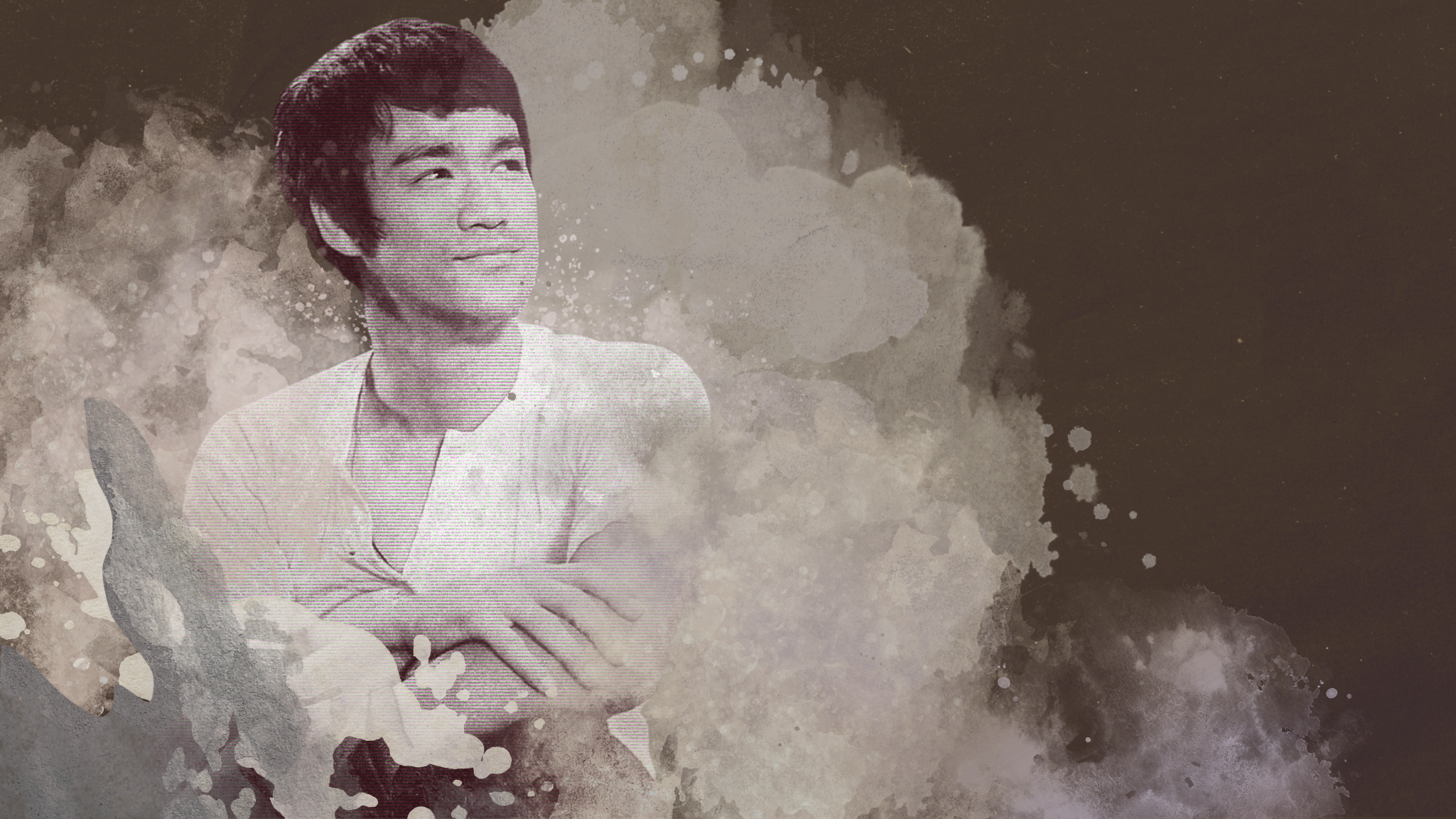
“A wise man can learn more from a foolish question than a fool can learn from a wise answer.”
Bruce Lee
We often think change comes from advice. More often, it comes from becoming curious about the beliefs, assumptions, and patterns we've never stopped to question.
TWO THINGS TO KNOW
Understanding Comes Before Change Can Happen
One of the ideas that shapes almost everything I do is surprisingly simple: people make sense.
That doesn't mean every behaviour is healthy, or that every coping strategy still serves us. It means there's usually a reason those patterns developed in the first place. Our minds are remarkably good at adapting to difficult experiences, relationships, and environments. The challenge is that life changes, and sometimes the strategies that helped us survive one chapter quietly begin getting in the way of the next.
Rather than asking, "What's wrong with me?" we'll often ask a different question: "What happened that made this make sense?"
That shift doesn't remove responsibility for change, but it does replace shame with understanding. In my experience, lasting change is much more likely to grow from curiosity than criticism.
Therapy Is a Process that Takes Time
We live in a culture that values quick solutions. Therapy is often portrayed as working towards a single, life-changing realization that changes one’s life trajectory.
Therapy doesn’t work like that.
Insight can happen in a single conversation, but meaningful change is built through reflection, practice, and consistency. Many of the patterns we bring into therapy have developed over years, sometimes decades. It makes sense that learning new ways of relating to ourselves, other people, and the world also takes time.
I encourage clients to think of therapy less as something that fixes problems and more as a practice of understanding themselves. Each session builds on the last. Together, we notice patterns, experiment with new ways of responding, and gradually develop changes that feel less like techniques and more like a natural part of who you are.
The goal isn't simply to feel better for a week. It's to build changes that continue supporting you long after therapy has ended.
Ready to Begin?
Starting therapy can feel like a big step, but you don't have to commit to the whole journey all at once.