


COUPLES
THERAPY
Supporting couples in Bracebridge, Muskoka, and throughout Ontario through evidence-based couples therapy, available in person and virtually.


Relationships Don't Break Overnight
Healthy relationships aren't built by avoiding conflict. They're built by learning how to understand one another, repair after disconnection, and continue growing together over time.
Most couples don't come to therapy because they've stopped loving each other. They come because they've become stuck in patterns that neither person intended. The same arguments keep happening. Conversations become defensive. Small misunderstandings turn into larger ones. Over time, it becomes easier to protect yourself than to truly understand your partner.
Couples therapy offers an opportunity to slow those patterns down, understand what's happening beneath them, and begin creating new ways of relating to one another.


You Might Be Here Because...
Perhaps you're having the same argument over and over again without ever really resolving it. Maybe communication has become strained, trust has been damaged, or emotional intimacy feels more difficult than it used to. You may be navigating the aftermath of infidelity, adjusting to becoming parents, blending families, or trying to reconnect after years of growing in different directions.
Sometimes couples arrive because they're in crisis. More often, they're simply tired of feeling disconnected from someone they care deeply about.
You don't have to wait until your relationship is falling apart to benefit from therapy. In fact, many couples find it most valuable before resentment has had years to settle in.
TWO THINGS TO KNOW
The Relationship Is the Client
One of the ideas that shapes my work with couples is that I'm not looking for the person who's right.
I'm interested in understanding the relationship.
Every relationship develops patterns over time. One person withdraws, the other pursues. One becomes critical, the other shuts down. Both people are responding to one another, often in ways that make perfect sense given their experiences, even though those responses keep the cycle going.
Rather than deciding who's to blame, we'll work together to understand the pattern itself. Once we can see the cycle clearly, it becomes much easier to stop fighting each other and start working as a team against the problem.
Therapy Is About More Than Communication
One of the most common reasons couples seek therapy is to improve communication.
Communication is certainly important, but most people don’t know what that looks like.
Healthy communication grows out of emotional safety, trust, curiosity, vulnerability, empathy, accountability, and the ability to repair after conflict. Those are skills that develop over time, and they're often much more important than simply learning how to phrase things differently.
Therapy gives us an opportunity to strengthen those foundations so that communication becomes more natural, rather than something that only works when you're following a script.
Areas We Commonly Work On
-
Communication
-
Conflict
-
Emotional Intimacy
-
Infidelity & Affair Recovery
-
Trust
-
Life Transitions
-
Premarital Counselling
-
Separation & Discernment
-
LGBTQIA+ Relationships
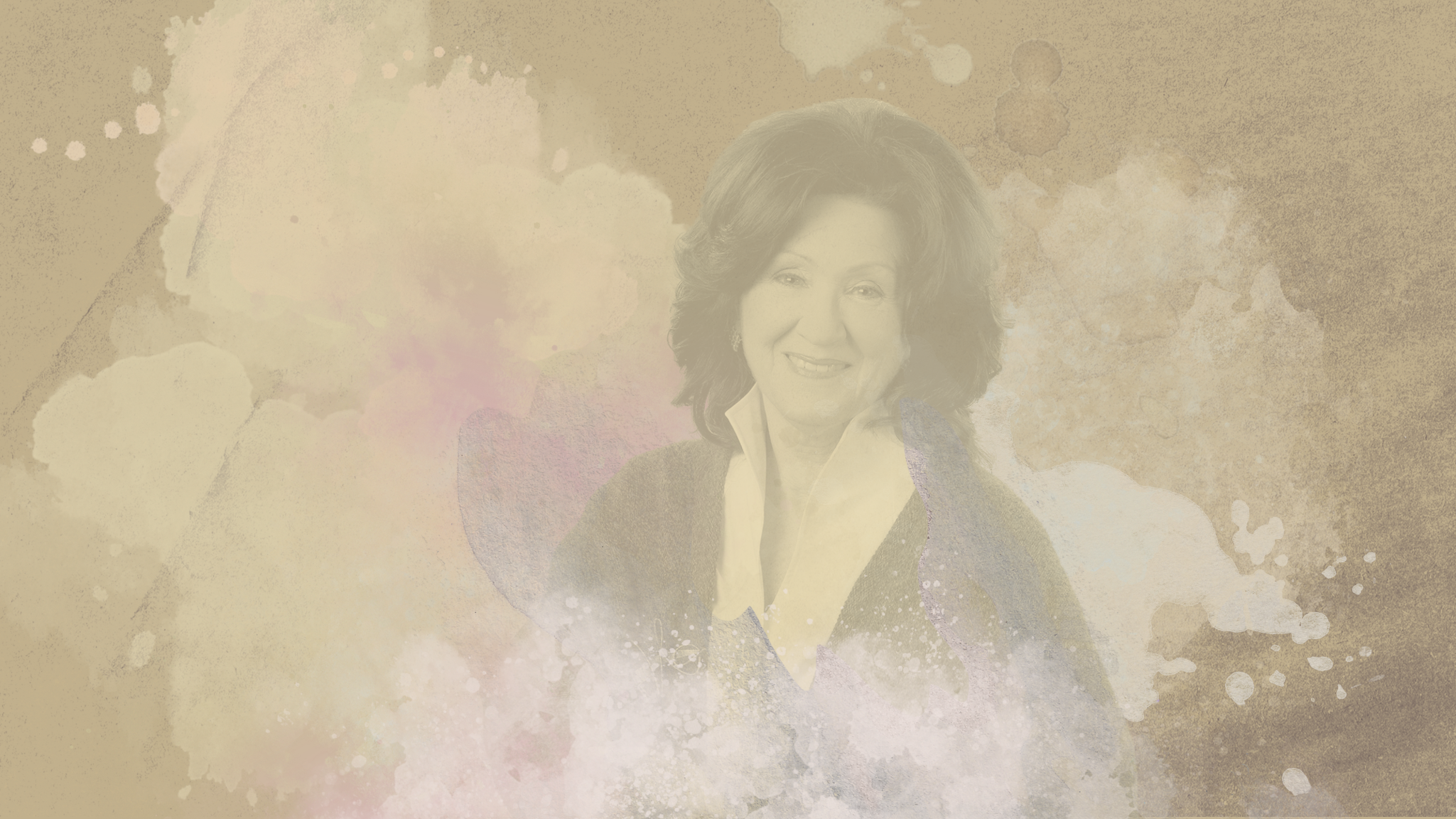
“Our partner is not the enemy. The cycle is the enemy.”
Dr. Sue Johnson
When we stop seeing each other as the problem, we can start working together against the patterns that keep us stuck. That's where real change begins.
My Approach
My work with couples is grounded primarily in Emotionally Focused Therapy (EFT), one of the most well-researched and effective approaches to couples counselling. I also draw from Internal Family Systems (IFS), Narrative Therapy, attachment theory, and other evidence-based approaches to help couples better understand themselves, one another, and the patterns they've developed together.
The goal isn't to determine who wins the argument.
It's to help both partners feel understood, connected, and better equipped to face life's challenges together.
Ready to Take the First Step?
Beginning couples therapy can feel vulnerable, especially if one or both partners are unsure what to expect.